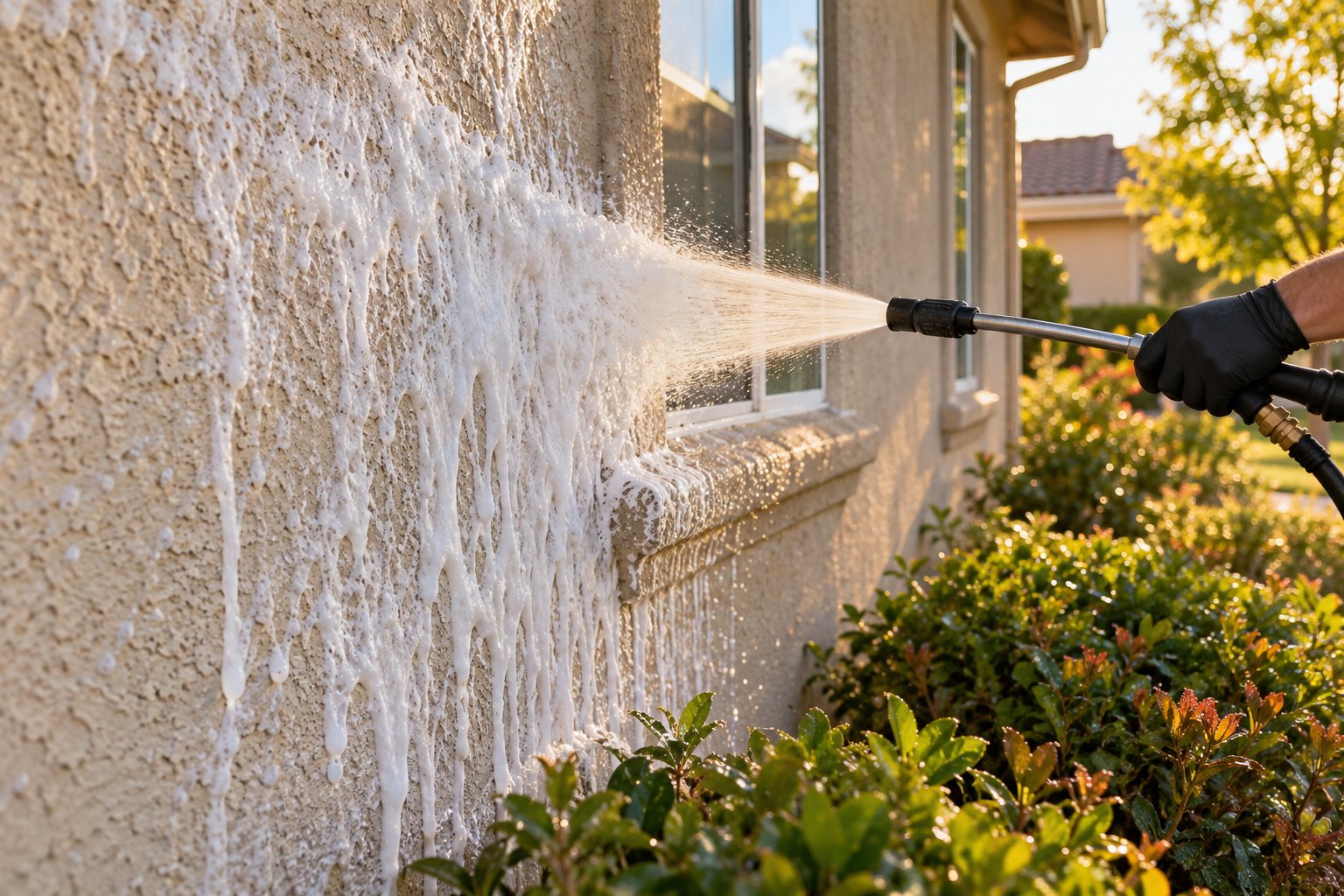
Short answer: use soft washing (low pressure plus a cleaning solution) for siding, stucco, painted trim, eaves and anything with seams or coatings, and save pressure washing for hard, flat, durable surfaces like concrete driveways and walkways. Solar panels need neither at full force: gentle, low-pressure cleaning only. Matching the method to the surface is what keeps a cleaning job from turning into a repair job.
What's the difference?
Both methods use water, but they get things clean in opposite ways.
- Pressure washing relies on force. A concentrated, high-pressure stream physically blasts dirt, grime and stains off the surface.
- Soft washing relies on chemistry and time. A low-pressure spray applies a cleaning solution that loosens dirt, mildew and organic growth, and then a gentle rinse carries it away.
Think of pressure washing as scrubbing hard and soft washing as soaking. Concrete can take a hard scrub. Painted siding, stucco texture and window seals cannot.
Why high pressure can damage a house
Siding makers are unusually direct about this. CertainTeed, one of the largest vinyl siding manufacturers, says it does not recommend power washing vinyl or polymer siding because it can cause moisture intrusion, damage and discoloration, and it warns against prolonged or high-pressure rinsing of ventilated areas[1]. Siding is built to shed rain falling from above. It isn't built to stop a jet of water driven up and under the laps, where moisture can sit behind the cladding.
Fiber cement has a similar warning. James Hardie's cleaning bulletin says high-pressure water blasting may damage the surface of fiber cement products. It recommends a low-pressure water spray and a soft, non-metal brush as the most suitable cleaning method. If a pressure washer is used, it advises staying under 1,500 psi with a wide fan tip held at least 6 feet from the wall[2].
The same logic applies to other parts of the exterior:
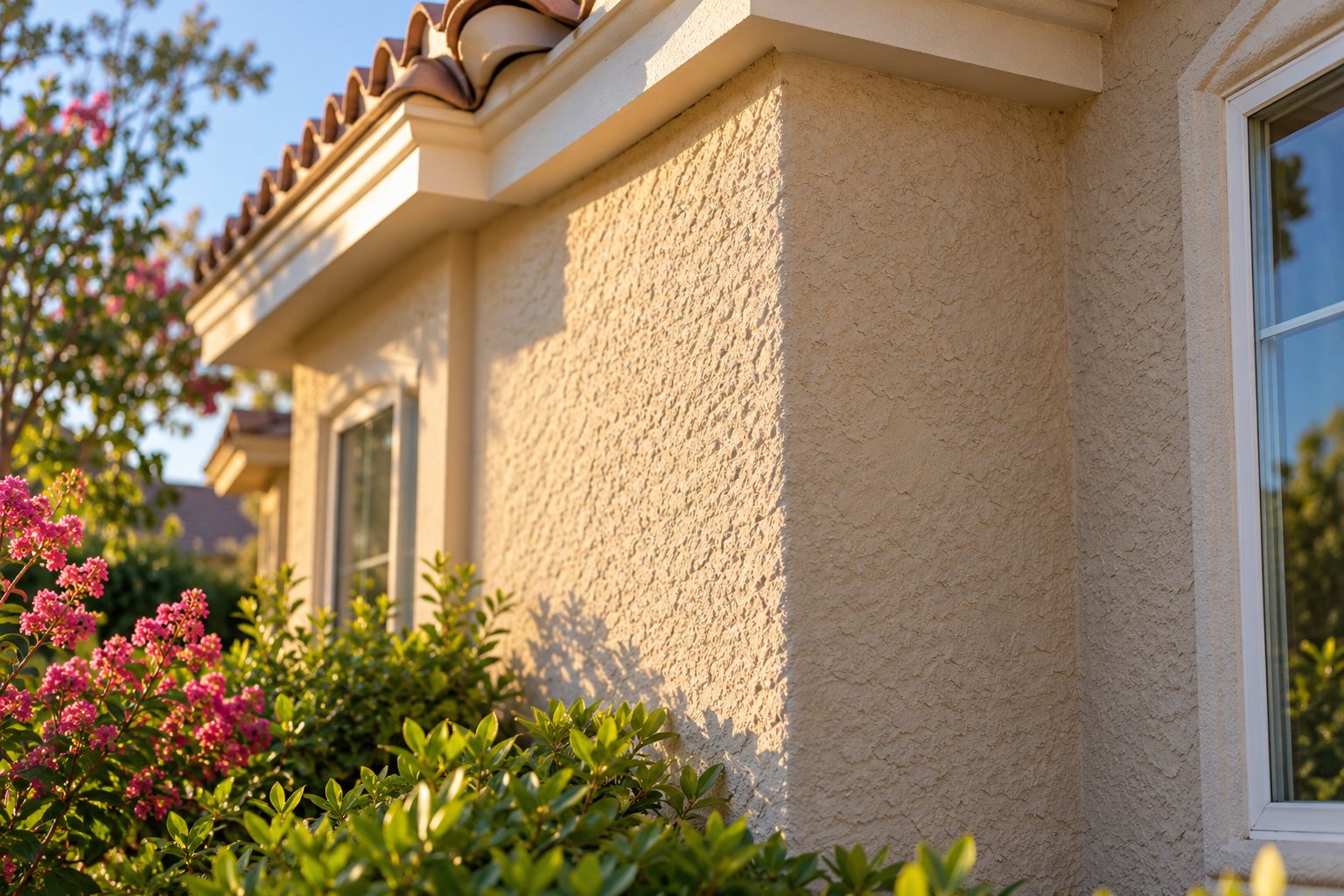
- Stucco: a concentrated stream can erode the textured finish, chip paint and push water into hairline cracks.
- Painted trim, eaves and garage doors: high pressure can lift paint that is already aging in the sun.
- Windows: frames, seals and screens are easier to damage than the glass itself.
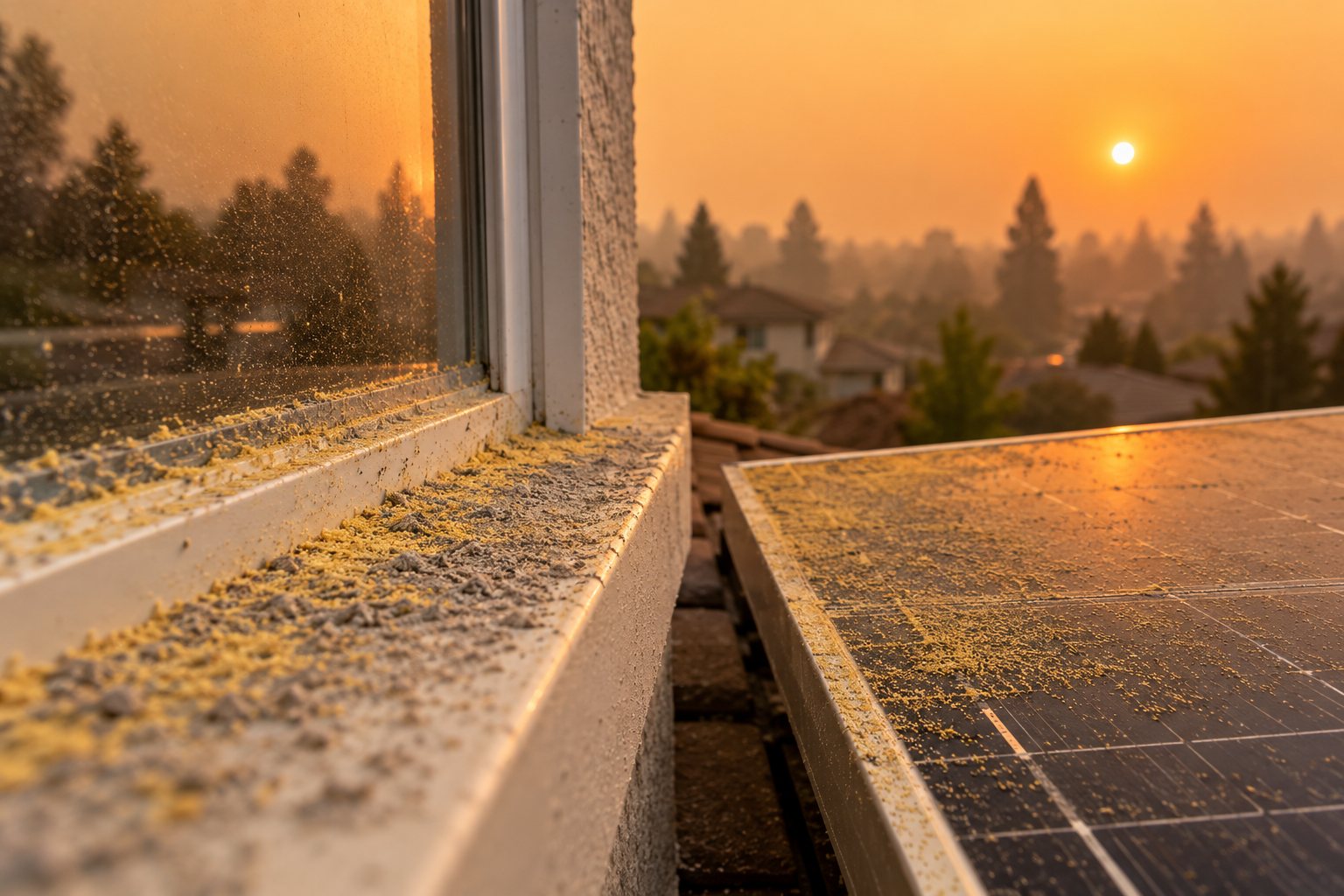
- Solar panels: manufacturers commonly list high-pressure cleaners among the things to avoid. Heckert Solar's module manual, for example, rules out high-pressure cleaners, abrasive tools and harsh chemicals because they can scratch the glass or damage its anti-reflective coating[3].
The safety side: pressure washers injure people too
Surface damage isn't the only risk. Using Consumer Product Safety Commission data, Consumer Reports estimated that about 6,057 people went to an emergency room with pressure washer-related injuries in 2014, and roughly 14% of those visits led to a hospital admission. An emergency physician quoted in the same report warned that even a tiny skin break from the spray can force fluid deep into tissue[4]. A University of California Agriculture and Natural Resources safety note adds that eye injuries from cleaning chemicals and hand lacerations made up a large share of reported injuries, and it stresses eye protection and keeping hands and feet away from the nozzle[5]. Ladders, wet surfaces and high-pressure wands make a risky combination for an occasional DIY job.
Side-by-side comparison
| Factor | Soft washing | Pressure washing |
|---|---|---|
| How it cleans | Cleaning solution plus low-pressure rinse | High-pressure water stream |
| Best for | Siding, stucco, painted trim, eaves, garage doors | Concrete driveways, walkways, patios, pavers |
| Mildew and organic growth | Treats it at the surface, not just the top layer | Can strip visible growth but may leave it behind in texture |
| Oil, tire marks, ground-in grime | Limited on its own | Strong choice, often with a degreaser |
| Damage risk to siding and paint | Low when done correctly | Higher: water intrusion, etching, peeling paint |
| Solar panels | Gentle, low-pressure method fits manufacturer guidance | Not recommended |
Which method for which surface?
House exterior: soft wash
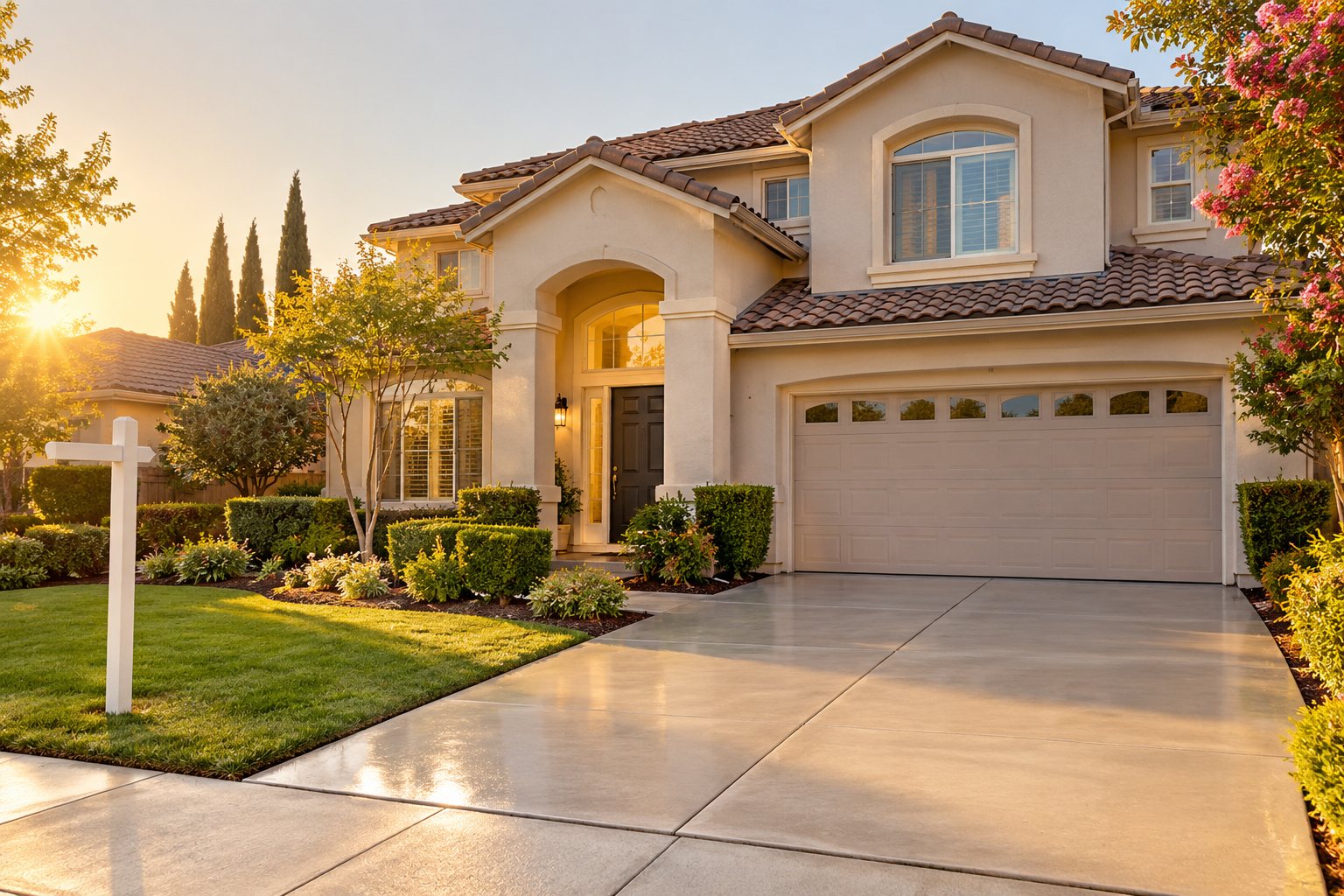
For siding, stucco, trim, eaves and garage doors, low pressure is the safer default. It removes dust, cobwebs, pollen film and mildew without driving water into seams. In the Sacramento Valley, where summer sun is already hard on paint and finishes, there's no reason to add more wear. See our guide to cleaning a stucco house exterior for stucco-specific tips.
Driveways, walkways and patios: pressure wash
Concrete and pavers are made to take a beating, and oil drips, tire marks and ground-in grime often need real force to come out. Even here, technique matters: holding the nozzle too close can leave streaks or etch the surface. Our driveway oil stain guide and walkway and patio algae guide go deeper.
Windows and solar panels: gentle only
Glass, frames, screens and panel coatings call for a careful hand, not a blast. For solar specifically, read whether solar panel cleaning helps before reaching for a hose.
Don't forget the runoff
Whichever method you use, wash water carries dirt, oils and cleaning products toward the street. Choosing biodegradable products and controlling runoff matters. We cover the basics in eco-friendly exterior cleaning and storm drains.
How LORS Cleaning handles it
We match the method to the surface on every job. For siding and stucco we use low-pressure soft washing where high pressure could cause damage. We save pressure washing for driveways and hardscape. For solar panels we follow manufacturer guidance: no high-pressure spray and no harsh chemicals. We use eco-safe, biodegradable products, we're licensed and insured, and if something isn't right, tell us within 24 hours and we'll come back and fix it free.
- Whole-house exterior washing with soft wash where appropriate
- Driveway pressure washing and walkway & patio cleaning
- Window and solar panel cleaning done gently
- Free, exact estimate with no hidden fees
Serving Sacramento and everywhere within 100 miles, including Sacramento, Roseville and Vacaville.
Quick answers
Can I pressure wash vinyl siding?
CertainTeed, a major vinyl siding maker, does not recommend power washing vinyl siding because it can cause moisture intrusion, damage and discoloration. A low-pressure soft wash is the safer choice.
Is pressure washing ever the right choice?
Yes. Hard, durable surfaces like concrete driveways, walkways and patios often need pressure to remove oil, tire marks and ground-in grime.
Should solar panels be pressure washed?
No. Panel manufacturers commonly advise against high-pressure cleaners and harsh chemicals. LORS Cleaning follows manufacturer guidance and cleans panels gently.
Sources
- CertainTeed. How to Clean Vinyl Siding. https://www.certainteed.com/siding/how-clean-vinyl-siding/
- James Hardie. Technical Bulletin #20: James Hardie Siding Cleaning and Maintenance (2013). https://www.jameshardie.ca/JamesHardieMainSite/media/Site-Documents/TechnicalBulletins/20-james-hardie-siding-cleaning-and-maintenance.pdf
- Heckert Solar. Installation and Operating Manual, PV Module NeMo 3.0 (2023). https://www.heckertsolar.com/wp-content/uploads/2023/05/NeMo-3.0_Installation-instructions-solar-module-GB.pdf
- Consumer Reports. Safety Alert: Under Pressure (citing U.S. Consumer Product Safety Commission data). https://www.consumerreports.org/pressure-washers/safety-alert-under-pressure/
- University of California Agriculture and Natural Resources, Risk & Safety Services. Safety Note #29: High-Pressure Washer Safety (2004). https://oc4h.ucanr.edu/sites/default/files/2014-12/1420.pdf