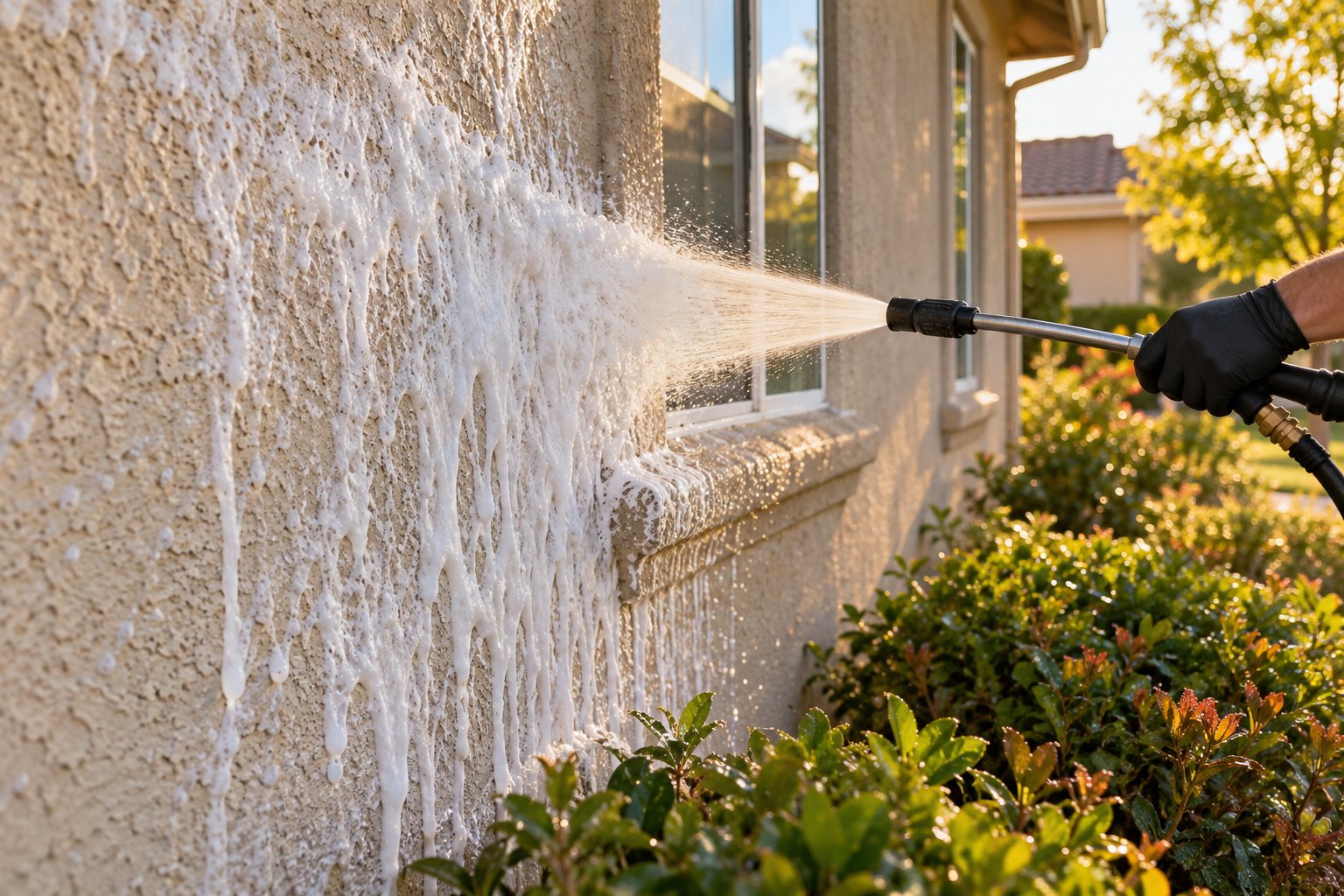
Clean stucco gently: pre-wet the wall, apply a mild cleaner at low pressure, let it dwell, scrub only where needed with a soft brush, and rinse from the top down with a wide fan tip held well back from the surface. Stucco manufacturers warn that high-pressure washing can destroy the finish, so the goal is to let the cleaner do the work, not the water jet.
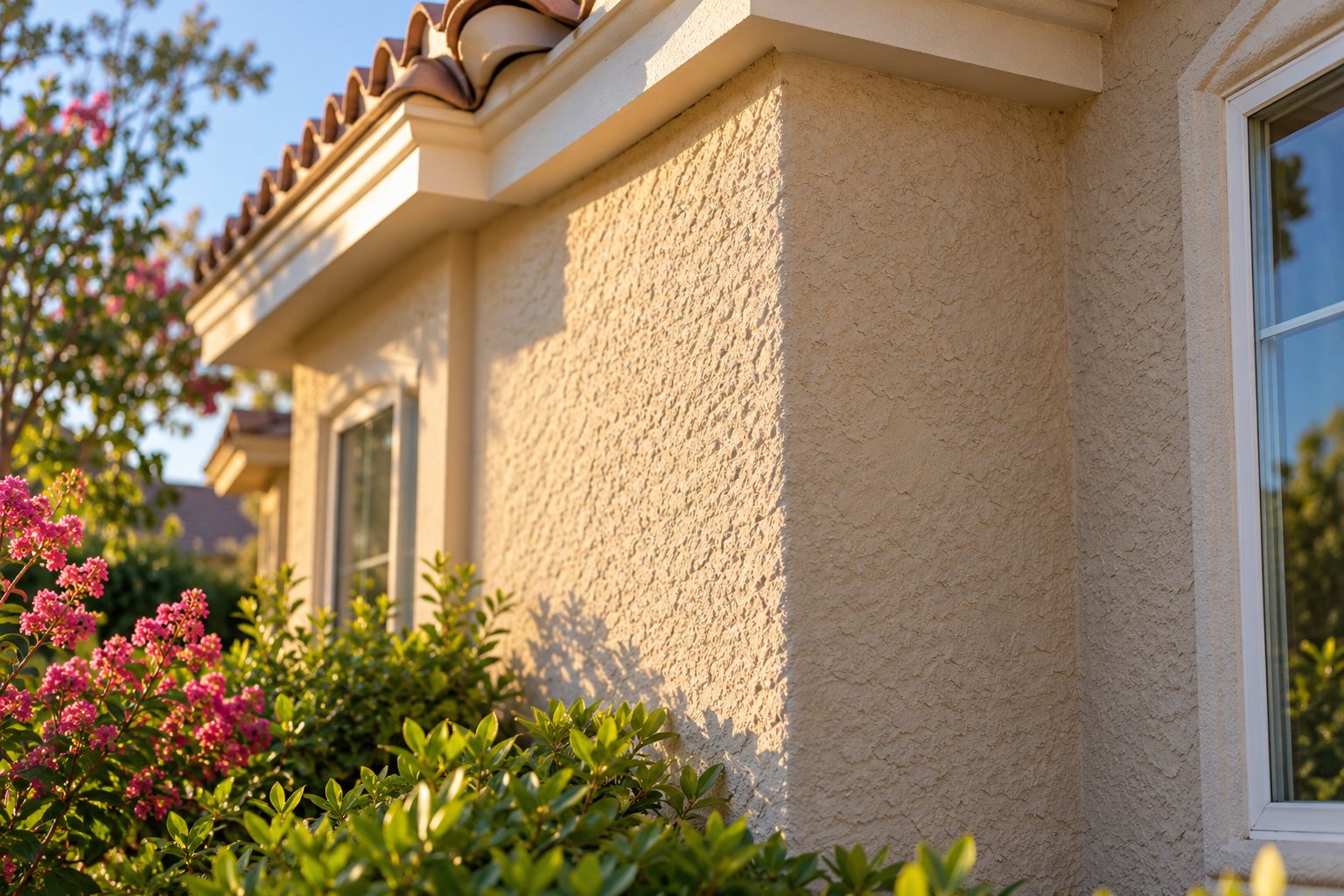
Stucco is one of the most common exteriors on Sacramento-area homes, and it holds up well to Central Valley heat. The Stucco Manufacturers Association puts it simply: minimal care keeps a cement plaster building attractive for years, and regular washing keeps the surface clean and the color bright[1]. But stucco is textured and porous, so the wrong technique can etch the finish or drive water into cracks.
What builds up on stucco in the Sacramento area
- Dust and grime: long, dry summers coat walls with fine dust that settles into the texture, especially near driveways and unpaved areas.
- Mildew and algae: green or black growth on shaded north walls, behind shrubs, and under eaves after the rainy winter months.
- Efflorescence: a white, powdery bloom of salts carried to the surface by moisture. It is more common in cool, damp winter weather, when slow drying gives salts time to reach the surface[2].
- Sprinkler and rust stains: discolored bands low on the wall where irrigation hits it, and orange or brown streaks below metal fixtures, railings and hardware.
Why high pressure is the wrong tool
A narrow, high-pressure jet can erode the finish coat, blow out texture, and force water behind the surface through hairline cracks. Manufacturer guidance is consistent on this point:
| Source | Pressure guidance | Other key points |
|---|---|---|
| Sto Corp. stucco maintenance guide | About 200–500 psi; do not exceed 500 psi[3] | Keep the nozzle several feet from the wall; no sandblasting, steam or solvents |
| Dryvit cleaning data sheet | Rinse normally below 600 psi; apply cleaner at 30–50 psi[4] | Use tips of 45° or wider up close; never apply cleaner with high pressure |
| Dryvit maintenance guide | Under 500 psi with a fan tip[5] | Stay at least 12 inches away; pre-wetting is essential |
Exact limits vary by product, so if you know who made your finish, check their instructions first. This is the same reason we use soft washing rather than pressure washing on stucco.
Step-by-step: how to clean stucco safely
- Inspect first. Look for cracks, chips and gaps around windows and fixtures. Water driven into openings can lead to mold and mildew problems[6], so have damage repaired before washing.
- Protect plants and openings. Close windows, cover outlets and light fixtures, and rinse nearby plants before and after cleaning, especially on hot days[6].
- Test a small spot. Try your cleaner in an inconspicuous area before doing a whole wall[4].
- Pre-wet the wall. A damp surface keeps cleaner from soaking in too fast and helps it rinse off evenly[5].
- Apply cleaner at low pressure. Use a garden sprayer or a low-pressure setting with a wide tip, working bottom to top so the solution doesn’t streak dry areas below.
- Let it dwell, then scrub lightly. Sto suggests letting a cleaning solution soak 15 to 20 minutes and gently scrubbing heavy deposits with a soft-to-medium bristle brush[3].
- Rinse top to bottom. Rinse thoroughly with clean water and don’t let the product dry on the wall; work in sections on hot afternoons[6].
Handling specific stains
Mildew and algae
Organic growth needs a cleaner that actually kills it, plus enough dwell time; otherwise it comes back quickly. Sto notes that a bleach-containing solution is only needed when algae or mildew is present[3], and Dryvit warns never to mix ammonia with bleach[4]. Black stains on unpainted stucco are often dead algae rather than dirt[6].
Efflorescence
White salt bloom can often be removed with light washing. Sika’s bulletin suggests dampening the wall and sponging on household vinegar diluted 1:1 with water, then rinsing well and checking the result once dry, and warns that brushing may remove finish color[2]. If it keeps returning, the underlying issue is moisture getting into the wall, which a repair contractor should look at.
Rust and sprinkler stains
Metal stains are a known stucco problem, and Dryvit recommends asking the cleaning product manufacturer for a suitable remover rather than improvising[4]. Test any stain remover on a hidden spot first. For sprinkler marks, fix the cause too: adjust or redirect heads so they water the landscaping instead of the wall.
What to avoid
- Narrow (0° or 15°) tips and high-pressure washing
- Sandblasting, steam cleaning or solvent cleaners such as acetone[3]
- Strong acids for routine cleaning[4]
- Letting cleaner dry on a sun-baked wall
- Spraying upward under eaves or into weep screeds and vents
How often should you wash stucco?
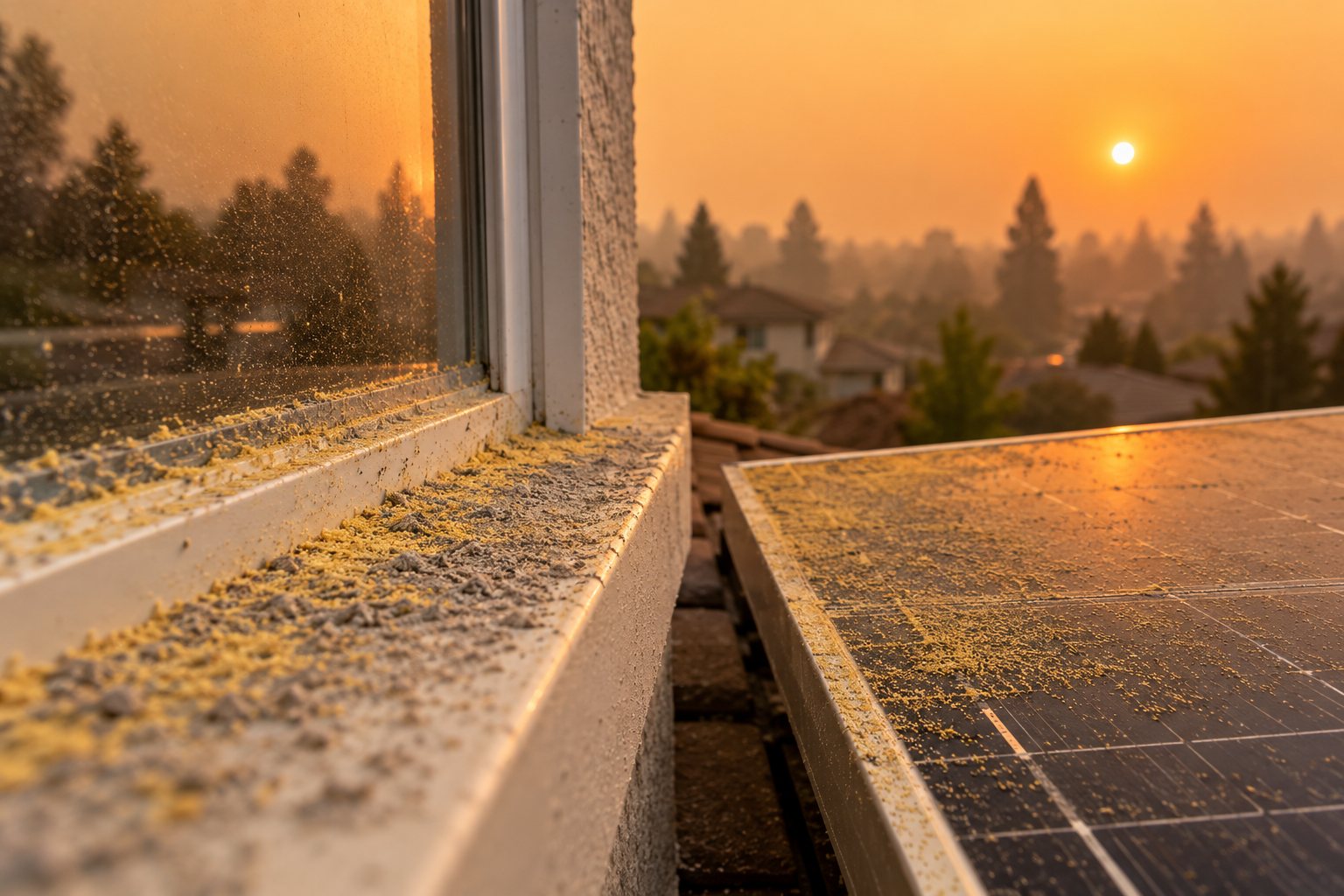
There is no single schedule; Dryvit says exteriors should be cleaned and inspected periodically, with timing depending on the local environment[5]. In the Sacramento area, many homeowners find a wash once a year is enough, with extra attention to shaded walls after winter or after smoke and pollen seasons (see our guide to cleaning after wildfire smoke and pollen). Washing stucco before listing a home is also one of the easiest curb appeal wins before selling.
When to call a professional
Two-story walls, heavy mildew, and stains that don’t respond to mild cleaners are where DIY jobs tend to go wrong. LORS Cleaning’s whole-house exterior washing covers stucco, siding, trim, eaves and garage doors, using low-pressure soft washing and eco-safe, biodegradable products, with care for runoff as explained in our storm drain guide. We serve Sacramento and everywhere within 100 miles, including Roseville, Folsom and Elk Grove. Ask for a free, exact estimate with no hidden fees, and if anything isn’t right, tell us within 24 hours and we’ll come back and fix it free.
Quick answers
Can you pressure wash stucco?
Only at low pressure. Sto Corp. says not to exceed 500 psi and to keep the nozzle several feet away; Dryvit advises staying under 500 psi with a fan tip for its EIFS finishes. Soft washing is the safer approach.
How do I get mildew off stucco?
Pre-wet the wall, apply a cleaner that kills mildew, give it time to dwell, scrub lightly with a soft brush, and rinse top to bottom. Never mix bleach with ammonia.
What is the white powder on my stucco?
Usually efflorescence, salts carried out by moisture. Light washing or a diluted vinegar solution often removes it; if it keeps coming back, have the source of moisture checked.
Sources
- Walls & Ceilings. SMA releases memo on stucco care (2010). https://wconline.com/articles/86949-sma-releases-memo-on-stucco-care
- Sika Corporation. Efflorescence on Stucco Walls, Technical Bulletin (2026). https://usa.sika.com/dms/getdocument.get/6b570805-f062-41bf-bf80-401165c59f8c/us-facades-tech-bulletin-effloresence-stucco-walls.pdf
- Sto Corp. Stucco Repair and Maintenance Guide. https://www.stocorp.com/wp-content/content/Systems_TechService/reStore/Installation%20and%20Repair/IG_Stucco_Repair_and_Maintenance_Guide_EN.pdf
- Dryvit. DS152 Cleaning & Recoating, Technical Data Sheet (2021). https://www.dryvit.com/resource/download/ds152_Cleaning_and_Recoating.pdf
- Dryvit (Tremco). Essential EIFS Maintenance and Repair Guide. https://www.dryvit.com/blog/eifs-maintenance-repair-guide
- Simple Green. How to Clean Stucco Siding. https://simplegreen.com/cleaning-tips/outdoors/stucco/